Carbon Fiber Price Per Kg: Emphasizing Quality and Compliance
The demand for carbon fiber continues to rise due to its exceptional strength-to-weight ratio and versatility across multiple sectors. This growth trend underscores the importance of understanding the carbon fiber price per kg, particularly for B2B buyers aiming to make informed procurement decisions. Projections indicate that the carbon fiber market will experience a compound annual growth rate of 10.6% between 2021 and 2026. This article delves into the elements influencing carbon fiber costs, its diverse applications, and strategies to ensure supplier quality and compliance with international standards. With over 20 years of expertise, Impact Materials stands as a trusted partner, having successfully handled more than 3,200 projects in composite materials.
Key Insights
- The carbon fiber price per kg ranges from $20 to $45, influenced by variations in grade and quantity.
- Customizing carbon fiber configurations enhances performance for specific applications like marine and aerospace.
- With tensile strengths reaching 7,000 MPa, carbon fiber is ideal for high-demand environments.
- Verify certifications such as ISO 9001 when sourcing to ensure product quality and dependability.
Elements Influencing Carbon Fiber Price Per Kg
Impact of Material Grade and Specifications
The pricing of carbon fiber per kg is heavily dictated by the material’s grade and specifications. High-performance grades like those used in aerospace, including T800 and T1000, offer superior tensile strength and elasticity but come at a premium. These materials can reach tensile strengths up to 7,000 MPa and elastic moduli up to 230 GPa. Understanding these specifications is crucial for purchasers who must weigh cost against performance when selecting materials for specific applications.
Influence of Production and Processing Techniques
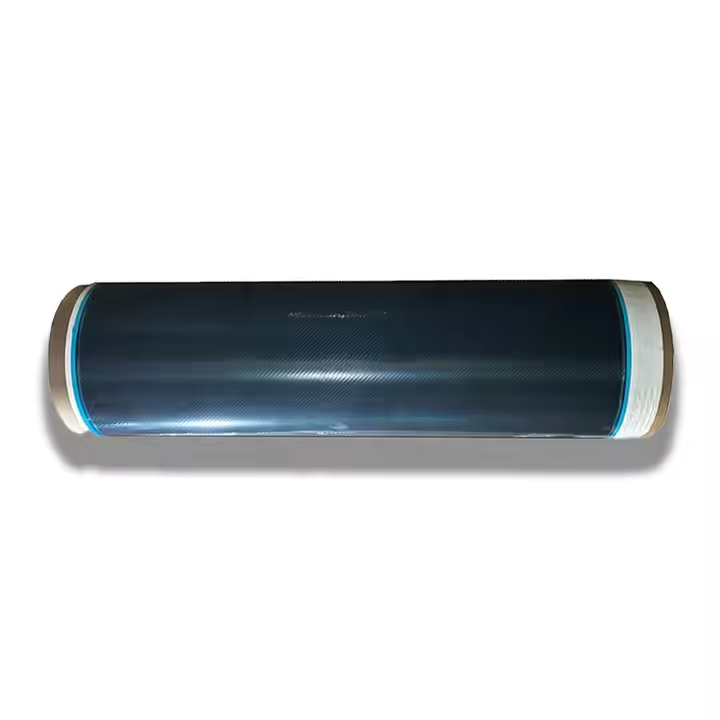
Production methodologies, including weaving and prepreg processes, significantly impact costs. Techniques such as those used in 3K Twill Carbon Fiber Fabric necessitate precise temperature control and careful handling to maintain fiber integrity, resulting in elevated costs. Furthermore, economies of scale affect pricing, with larger production volumes typically reducing per-unit costs.
Supply and Demand Trends
The market dynamics for carbon fiber, influenced by industries like automotive and renewable energy, play a crucial role in pricing. A surge in applications such as boat construction or wind turbine blade manufacturing can lead to supply shortages and price increases. As a supplier servicing over 120 countries, Impact Materials is vigilant in monitoring these trends to provide clients with competitive pricing and dependable supply chains.
Diverse Applications Across Industries
Aerospace and Automotive Uses
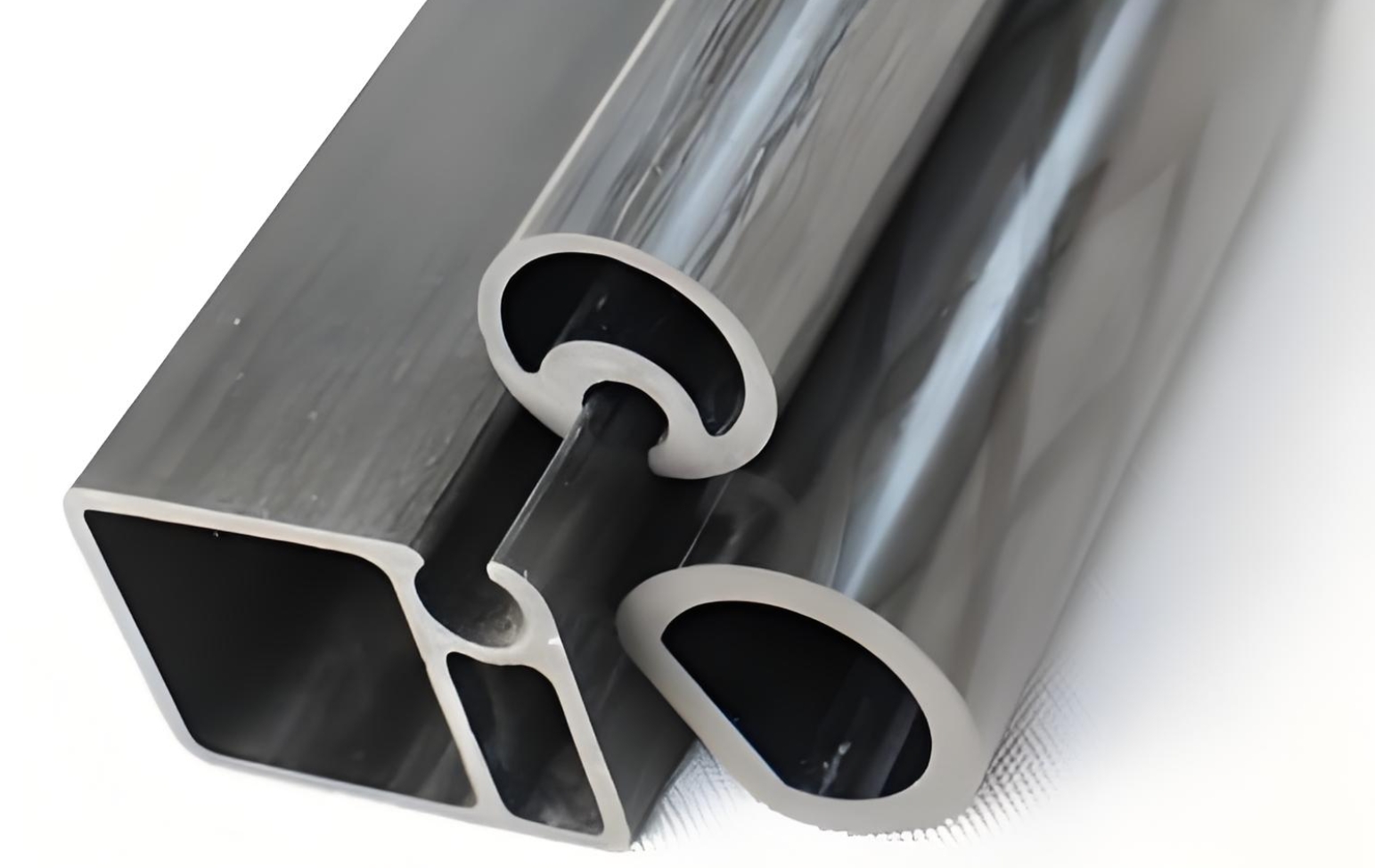
In aerospace, carbon fiber’s high strength and low weight make it suitable for parts like fuselage panels and wing skins, with products such as the Special Section Pultruded Carbon Fiber Rod providing structural robustness. Similarly, the automotive industry leverages carbon fiber for body panels and structural reinforcements, optimizing vehicle performance and fuel efficiency.
Marine and Wind Energy Applications
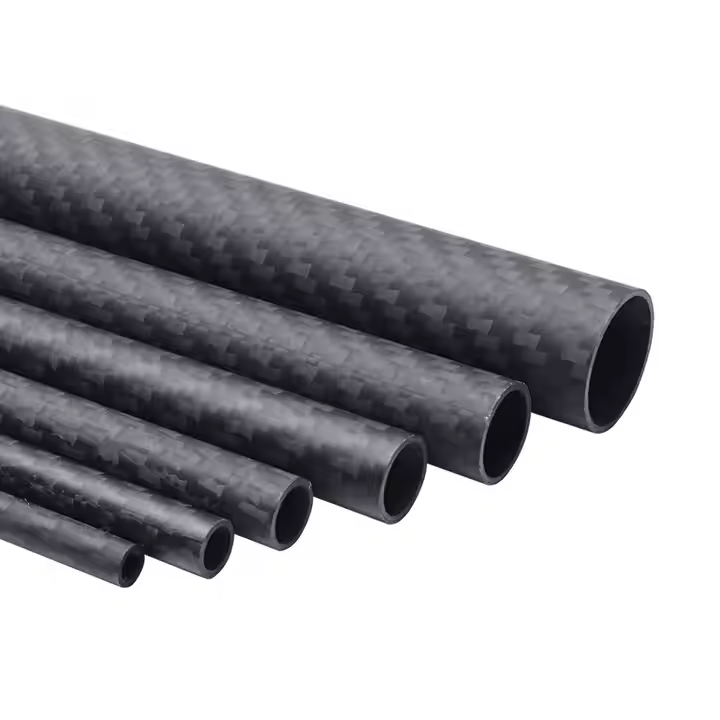
For marine construction, carbon fiber is favored due to its corrosion resistance and lightweight nature, crucial for optimal waterborne performance. The Customized Round CFRP Carbon Fiber Tube exemplifies ideal marine componentry, balancing strength and appearance. In wind energy, carbon fiber’s strength-to-weight ratio is vital for manufacturing efficient turbine blades.
Construction and Sports Equipment Benefits
In construction, carbon fiber is utilized for FRP reinforcement, offering substantial durability and resistance to environmental stressors. Products like Round Rod Carbon Composite Material are perfect for reinforcing concrete structures. Meanwhile, the sports equipment industry benefits from carbon fiber in enhancing performance for items like tennis rackets and bicycles.
Top Carbon Fiber Price Per Kg Products
Discover our highly rated carbon fiber price per kg offerings from Impact Materials, trusted by manufacturers globally.
Technical Specifications and Compliance Standards
Essential Material Properties
Technical properties of carbon fiber, such as its density (1.6 g/cm³), fiber volume fraction, and tensile strength, are paramount in determining its suitability for various applications. Adherence to international standards like ISO and ASTM is critical to ensure quality and compliance.
Ensuring Supplier Quality and Traceability
Verifying supplier certifications, such as ISO 9001, is essential to ensure product integrity and reliability. Traceability mechanisms must be in place to monitor the entire supply chain, particularly in regulated industries like aerospace and medical sectors where compliance with strict standards is mandatory.
For additional information and sourcing options, consult this extensive guide on carbon fiber price per kg manufacturer for further technical insights.
Common Quality Challenges and Mitigation
Quality issues in carbon fiber production, such as surface defects or inconsistencies in fiber alignment, can compromise performance. Regular quality inspections and adherence to ASTM standards help identify and rectify these issues early, ensuring compliance with industry requirements.
To acquire premium carbon fiber materials, consider exploring options to buy carbon fiber price per kg from certified suppliers who adhere to stringent quality controls.
Conclusion
Ensuring quality and compliance in carbon fiber sourcing is vital for meeting the high demands of today’s industrial applications. By prioritizing verified certifications, understanding the impact of material grades, and staying informed on supply chain dynamics, buyers can effectively navigate the complexities of the carbon fiber market. For comprehensive solutions, visit Impact Materials for carbon fiber price per kg solutions tailored to your project requirements.